It Was a Summit Yet Felt Like a Movement: Key Takeaways from Africa HealthTech Summit 2025

Dr. Umuhoza Thérèse
October 15, 2025
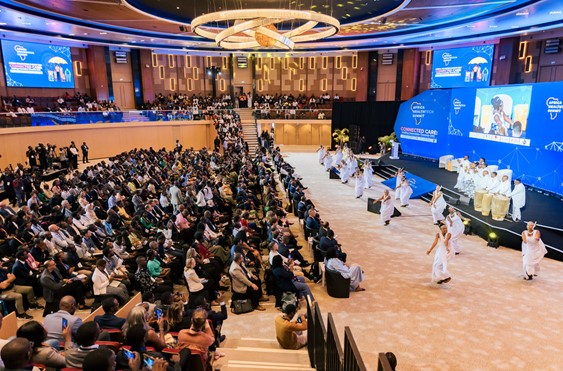
As October drew to a close, I found myself reflecting on the electric atmosphere that filled Kigali during the Africa HealthTech Summit 2025 (#AHTS2025). Among thousands of passionate participants, what began as a typical conference quickly evolved into something far greater as a movement. A collective declaration that Africa is done waiting for external solutions to its health challenges. Under 4th edition the theme “Connected Care: Scaling Innovation Towards Universal
“We don’t have to be consumers of technologies only, we can be the producers as well” said Muhammed Semakula
Health Coverage,” the summit became a platform for a momentum shift in mindset, where the continent’s innovators, policymakers, and communities embraced their role as drivers of Africa’s health future. This wasn’t merely about displaying technology; it was about forging a new path centered on scalable, integrated, and authentically African health solutions. And yes, spot-on speaker @ Muhammed Semakula, reminding us we don’t have to be consumers of technologies only, we can be the producers as well.
Scaling What Works, Not Just Piloting What's New
A recurring and urgent theme throughout the summit were the critical need to move beyond endless pilot programs and scale solutions that have proven effective. The term “pilotitis” echoed through the halls, describing the epidemic of small-scale pilot projects that never grow to reach the populations that need them most. The collective impatience with this cycle was unmistakable. Instead of celebrating the launch of yet another small-scale initiative, conversations focused on practical pathways to scale. We heard compelling examples like Rwanda’s national rollout of e-Buzima, which digitizes medical records, and e-Banguka, a real-time ambulance tracking system, both developed by young innovators averaging just 21 years old. The vital lesson emerging from these discussions was clear: successful scaling requires designing solutions with government systems in mind from the outset. @ Caitlin Burton said it well “we need to develop high quality products that are competitive in the market”.
Building Smart Systems, Not Isolated Solutions
The summit consistently emphasized that technology alone cannot transform healthcare; we need connected ecosystems where different systems communicate effortlessly. It was well captured that we need systems that talk to each other – IoT. This vision of interoperability extends beyond national borders, envisioning a future where health data and systems can work seamlessly across Africa. The conversation also highlighted that data is valuable only when it’s actionable. This requires not just technical solutions but balanced governance that protects citizens without stifling innovation. As multiple speakers noted, the rapid pace of AI advancement makes this balance particularly crucial to ensure technology serves people rather than the other way around. Well, nothing beat @ Melissa Miles’ expression, with technologies we can have doctors in pocket “means we can have them closer to the patient”.
Placing Equity, Accessibility, and African Leadership at the Heart of Digital Health
Perhaps the most powerful thread running through the summit was the unwavering focus on ensuring that digital health advances leave no one behind. This meant actively involving the people who will use and be affected by these technologies. It was made the case that community health workers must help build digital solutions, not just use them. The summit showcased how youth-led innovation is driving this transformation, with young Africans not waiting for permission but creating solutions for their communities. This shift toward genuine African ownership extends to financing models as well, with growing emphasis on sustainable approaches that reduce dependency on unpredictable foreign aid. The emerging consensus pointed toward blended financing, increased domestic health budgeting, and efficiency gains through digital innovation as the pillars of sustainable health financing. As @Jean Philbert Nsengimana put it with contagious enthusiasm, let move fast and far together!
From a health security perspective, this movement signals more than digital progress it represents resilience in action, technological advancement must translate into equitable access and health security interventions for all. To keep in mind:
As a Rwandan Elder said, “health is the foundation of national resilience and prosperity”.